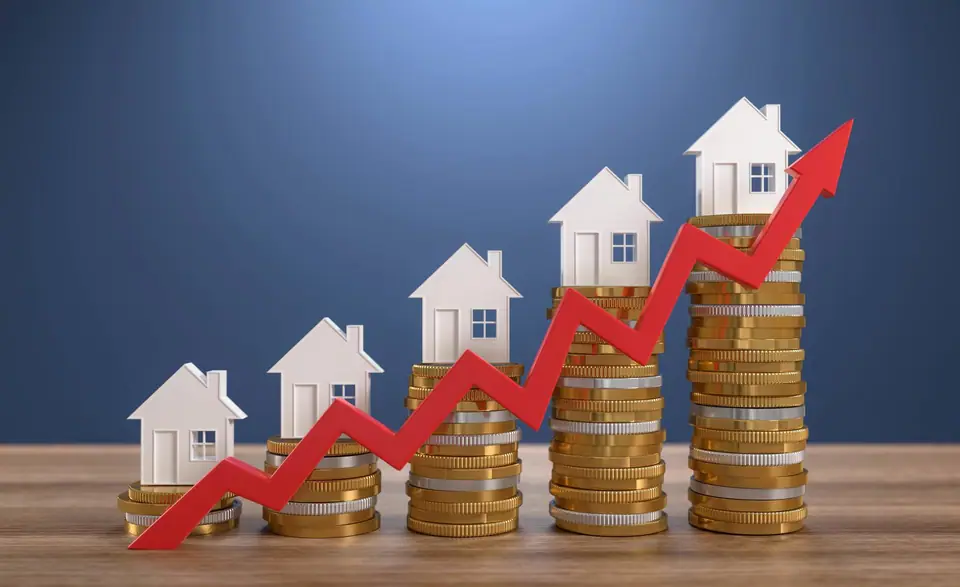
Real estate attracts both experienced investors and those just starting out, thanks to its high returns. Amid economic uncertainty and volatile traditional markets, it is a reliable and stable way to preserve and grow capital. Apartments are especially interesting in this context: they offer passive income from rental and the prospect of significant growth in value over time.
What apartments are
Apartments are residential units in multi-unit buildings or complexes. They vary in size, layout and level of comfort, from small studios to spacious multi-room homes.
Typical features: one or more bedrooms, living rooms and bathrooms and a spacious kitchen. Regardless of the complex's class, apartments usually also have balconies or terraces with views of the sea, the city or the mountains.
Modern residential complexes are usually equipped with amenities such as a gated territory, pools, fitness centres, saunas, playgrounds and barbecue areas. This adds comfort for residents and makes such properties more attractive to potential tenants.
However, despite all the visible advantages, investing in apartments involves certain risks. Market fluctuations, changes in legislation, exchange-rate swings and other factors can significantly affect the return. It is important to analyse the market carefully, weigh all the pros and cons and consult experts before making decisions.
How apartments differ from flats
Apartments and flats are the same type of housing — units in multi-unit buildings or complexes. The difference in terminology exists mainly in CIS countries, where the two terms have certain legal and functional distinctions.
In international practice, “apartments” means any residential units intended for temporary or permanent living, varying in size and layout.
In CIS countries, the term “flat” (kvartira) usually means a dwelling intended for permanent residence, which gives owners and tenants certain rights, such as registration at the place of residence. “Apartments” there are not considered residential premises but non-residential or commercial property, which affects taxation and utility bills — they may be higher than for flats. In Turkey, this distinction does not exist.
Types of apartments
There is no single legally established criterion for classifying this type of property. Apartments are grouped by layout, location, level of comfort and so on. The main types:
- Studios (0+1) and one-bedroom apartments (1+1). One or two rooms with a living area, kitchen and bathroom. Popular with young families, couples and small groups of tenants, offering more space than a studio.
- Two-bedroom (2+1) and larger (3+1, 4+1). Spacious homes with several bedrooms, a living room, a separate kitchen and several bathrooms, plus extras such as walk-in wardrobes, storage rooms and balconies. Suitable for large families or those who prefer spacious living.
- Duplexes. Two-level apartments with an internal staircase. They offer more space and privacy, as bedrooms can be on one level and living areas and the kitchen on the other. Duplexes often have great views, terraces or small private gardens.
Yield of apartments in Turkey
The Turkish real estate market shows steady price growth. According to the property valuation platform Endeksa, at the end of 2023 the annual growth of housing prices in Turkey was 25.6% in US dollars. In some regions, such as Istanbul, Antalya and Alanya, growth can be even higher, which makes buying apartments a promising investment.
Rental demand in Turkey keeps growing. In resort regions and large cities, the rental business is in high demand: in 2023 alone, rents in US dollars rose by 42% compared with the previous year.
Turkey offers a relatively simple and transparent purchase procedure for foreigners, including the possibility of obtaining a residence permit and citizenship through investment.
Investors can choose projects at any stage of completion. Buying at an early stage lets you save and get the property at a lower price with growth potential.
Apartments in Turkey are located in complexes with developed amenities: pools, fitness centres, spa, playgrounds and more. This makes them more attractive for rental and living, and therefore increases their yield. Apartments with sea or mountain views are especially popular.
Possible downsides of investing in apartments
Investing in apartments also carries certain risks and drawbacks:
- Turkey periodically changes the rules and laws governing the real estate market. For example, in 2023 some districts were closed for residence permits and the required property valuation for a residence permit was increased.
- Lower demand for real estate, especially from foreign buyers, can make it harder to sell apartments or reduce their value.
- Maintenance costs, including taxes, utilities, insurance and service charges, can rise significantly over time.
Potential investors should take these factors into account and develop strategies to minimise possible negative consequences.
Advantages of investing in apartments with Stay Investment
The Stay Investment portfolio includes properties and new builds at different stages of completion, so you can choose an investment in the most attractive areas of Turkey, such as Alanya, Antalya and Istanbul. These regions have high rental demand and steady price growth, which ensures a high return.
The company provides a full cycle of services, from property selection and legal support of the deal to after-sales service, helping clients at every stage of the investment process and making the purchase much simpler and faster.
Stay Investment specialists will develop an individual investment strategy, assess potential risks and benefits, select properties and provide full legal support of the deal, including checking all documents and compliance with local law. This ensures the safety and legality of every transaction.
Conclusion
Investing in real estate is an opportunity to grow capital and earn stable income. Apartments provide rental income, protection from inflation and potential growth in value. It is important to choose a property carefully and consider all the factors that affect the investment, including location, amenities and legal aspects. Despite possible risks, well-informed investing can be the key to successful long-term financial growth.